
Smoke Maine Coon: Why Some Look Almost Black and Others Look Silver
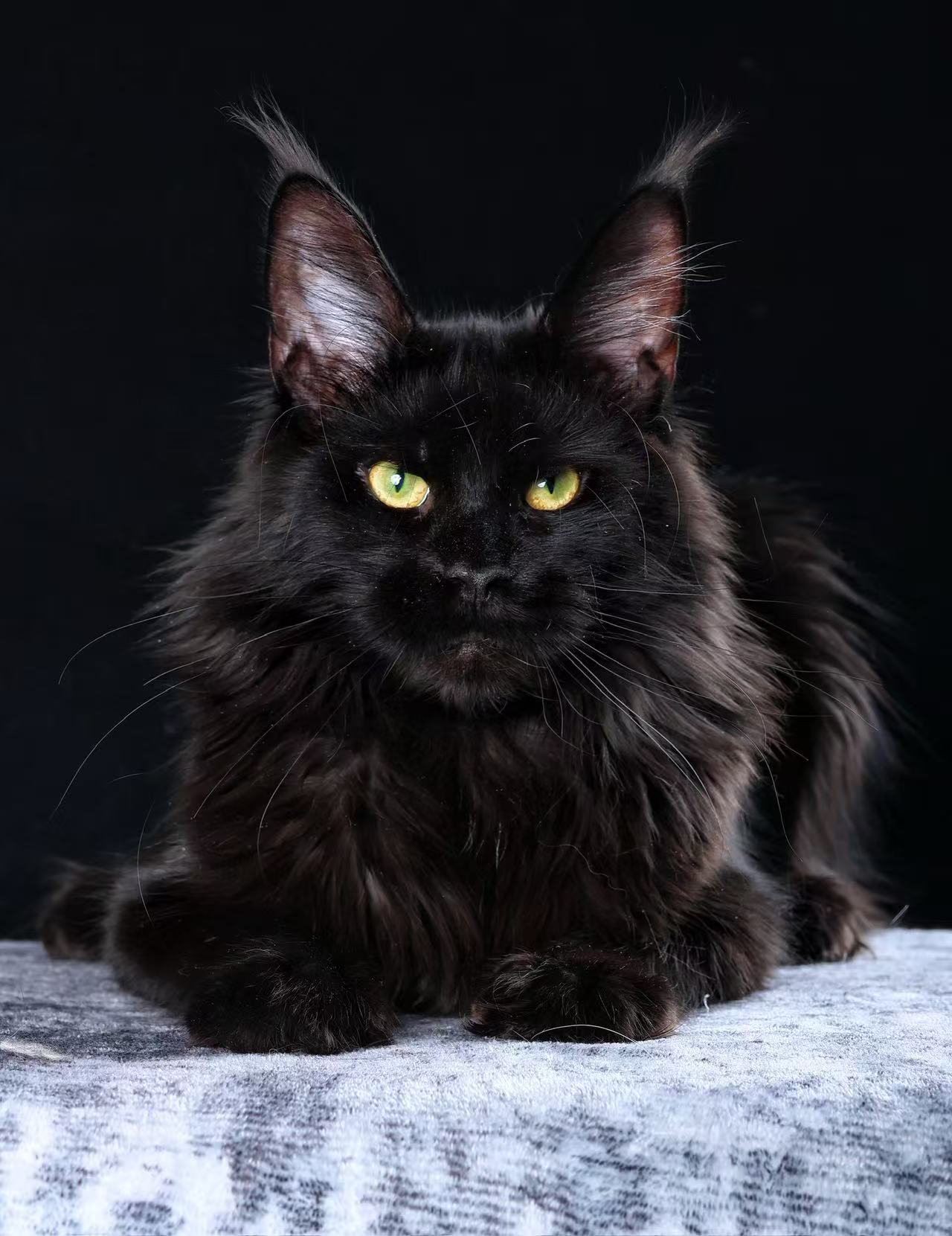

A smoke Maine Coon can look almost solid black in one photograph and noticeably silver in another. Sometimes the pale undercoat is easy to see. Other times, it stays hidden until the cat walks, turns, stretches, or the coat is gently parted.
This variation is one of the reasons smoke coats are so interesting to follow. Even when two kittens are registered as the same color, they may not look the same as they grow.
Some black smoke Maine Coons stay very dark. Others develop a lighter, almost silver-gray appearance. Neither one is automatically better or more correct. They are simply different expressions of the same coat color.
What Is a Smoke Maine Coon?
A smoke Maine Coon has colored hair tips with a much lighter base close to the skin. In a black smoke, the visible outer coat is black, while the hair roots and undercoat are pale silver or white.
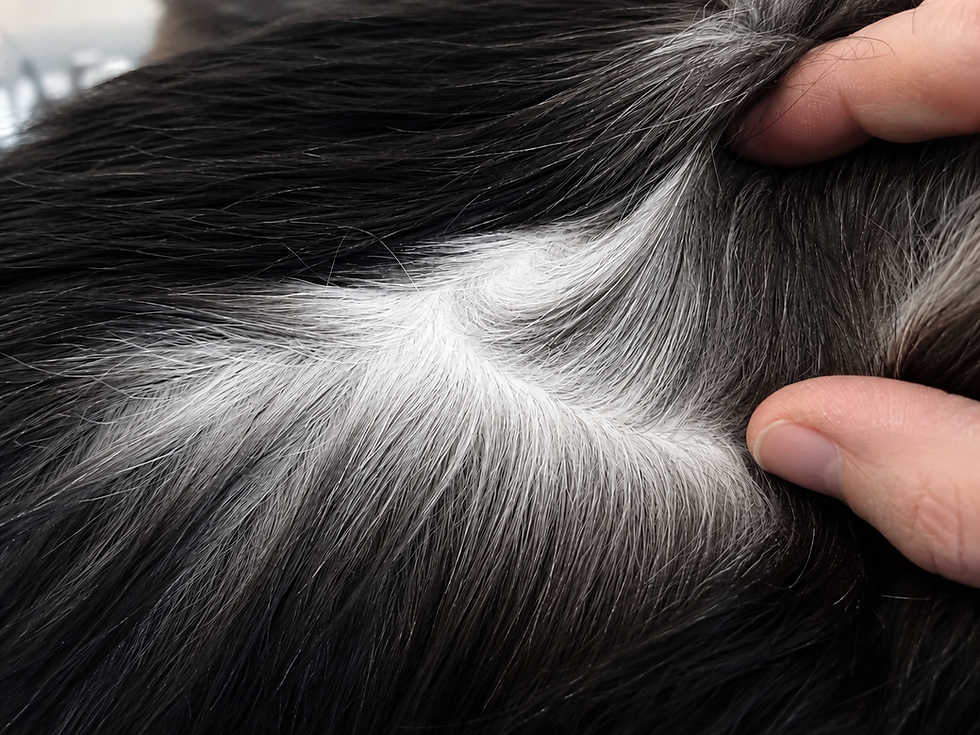
When the cat is resting, the pale base may be almost completely hidden. As the cat moves and the longer coat separates, the silver undercoat becomes easier to see.
The CFA Maine Coon standard describes a black smoke as having a white undercoat that is deeply tipped with black. It also notes that the cat may appear black while resting, while the white undercoat becomes clearly visible in motion.
Why Are Some Black Smoke Maine Coons Darker Than Others?
Black smoke is not one fixed shade.
In our own kitten records, we sometimes use the terms deep smoke, medium smoke, and light smoke to explain the visible depth of the coat. These are useful descriptions, but they are not separate official registration colors.
A deep smoke and a light smoke may both be registered as black smoke.
Deep Black Smoke

A deep black smoke may look almost solid black from a distance. The pale base is still present, but it may only be visible when the coat is parted or when the cat moves.
The face, legs, back, and tail may remain especially dark. In ordinary indoor photos, this type of smoke can easily be mistaken for a solid black Maine Coon.
Medium Black Smoke

A medium black smoke normally shows a more balanced contrast. The cat still has a dark overall appearance, but silver is easier to see through the sides, neck, chest, belly, and moving coat.
This type of coat can look especially different from one photograph to another. Direct daylight may reveal a large amount of silver, while a darker room may make the same cat appear almost black.
Light Black Smoke

A light black smoke has much more visible silver through the body. From a distance, the cat may look silver-gray, while the face, back, tail, and ends of the hair remain darker.
Some very light smoke kittens are casually described as shaded because of how pale they look in photographs. However, color should not be determined from overall brightness alone. The distribution of pigment along the hair still matters.
We have seen smoke kittens from the same breeding program develop very different amounts of visible silver.
Some remain dark as the adult coat grows. Others become noticeably lighter once the longer body coat, tail, and neck ruff begin to develop.
Coat length, coat density, age, shedding stage, lighting, and the way the hair rests on the body can all change how much silver we see. This is why we do not judge a smoke kitten from one photograph alone.
Black Smoke vs. Solid Black
A solid black Maine Coon has dark pigment extending much closer to the roots of the hair. When the coat is parted, it should not reveal the same clean silver or white base seen in a black smoke.
A deep black smoke can still look solid in ordinary photographs. The difference may be easier to see around the neck, shoulders, belly, sides of the body, and base of the tail.

Black Smoke vs. Silver Tabby
A silver tabby has a pale silver background with visible tabby markings. Depending on the pattern, those markings may form classic swirls, narrow mackerel stripes, spots, or ticking.
A smoke cat does not have the same clear adult tabby pattern. However, smoke kittens can show temporary stripes or markings, often called ghost markings.
Ghost markings may be noticeable on the forehead, legs, tail, or sides of a young kitten. Some become much less visible as the adult coat develops. Others may remain faintly visible under strong lighting.

Common Smoke Maine Coon Colors
Smoke is not limited to black. The visible tipping follows the cat’s underlying color.
Black Smoke Maine Coon
Black smoke is the color most people picture when they hear “smoke Maine Coon.” The outer coat is black, while the base is silver or white.
Black smoke coats can range from nearly solid-looking black to a much lighter silver-gray appearance.
Blue Smoke Maine Coon

In cat color terminology, blue is the dilute form of black. It appears as a cool gray or blue-gray rather than a literal blue color.
A blue smoke has blue-gray tipping over a pale or white undercoat. The overall contrast is normally softer than the contrast seen in a black smoke. CFA describes blue smoke as a white undercoat deeply tipped with blue.
Cream Smoke or Red Smoke Maine Coon

A cameo smoke, also called a red smoke, has red or orange tipping over a pale undercoat.
Red pigment often allows visible markings to remain, so a red smoke kitten may show more obvious facial, leg, or tail markings than a black smoke kitten. CFA uses the name “cameo smoke (red smoke)” in its Maine Coon color description. And Cream is the dilute form of red. A cream smoke has soft cream tipping over a pale undercoat.
Tortie Smoke and Blue-Cream Smoke

A tortie smoke combines black and red areas with a pale smoke undercoat. A blue-cream smoke combines blue-gray and cream.
The color patches are distributed differently on every cat, so the visible smoke effect may also appear stronger in some areas than others.
Smoke with White

Smoke colors may also appear with white. A cat may have a white chest, paws, belly, face, or larger white areas.
The smoke effect is found only in the colored portions of the coat. A naturally white area does not have colored tipping over a silver base.
CFA’s current Maine Coon color listings include black smoke, blue smoke, cameo smoke, cream smoke, tortie smoke, blue-cream smoke, and multiple smoke-and-white combinations.
How a Smoke Maine Coon Kitten’s Coat Changes
A smoke kitten’s coat is not finished at eight or twelve weeks old.
Very young kittens have shorter, softer coats. Some show a pale undercoat almost immediately, while others look surprisingly dark. Temporary facial and body markings may also be more visible at this stage.
As the coat becomes longer, more of the silver base may begin to show. The neck, sides, belly, hind-leg furnishings, and tail often show more contrast than the face and lower legs.
During coat changes, the color may look uneven. One part of the body may appear pale while another remains dark. A kitten can look different from one month to the next without its registered color actually changing.
CFA’s kitten-color guidance notes that smoke can be difficult to distinguish from solid color in young kittens. It says the undercoat may begin to show at around three weeks, kittens may develop a mottled appearance by six to eight weeks, and the full coat color may take much longer to become clear.
That does not mean every smoke kitten follows exactly the same timeline. In our experience, some kittens show strong silver very early, while others need a longer adult coat before the smoke effect becomes obvious.
Smoke Genetics, Kept Simple
A smoke Maine Coon begins with a base color. That base may be black, blue, red, cream, tortie, or blue-cream.
The silver effect reduces pigment near the base of the hair, while color remains closer to the tip. In a non-tabby-looking cat, this creates the pale roots and darker outer coat that we recognize as smoke.
Research on the domestic cat silver locus has shown that the silver trait suppresses pigment development within the hair.
Genetics creates the foundation, but it does not make every smoke coat look identical. Coat texture, density, hair length, pigment coverage, and age all affect the final appearance.
Two cats may both be black smoke and still have very different levels of visible silver.
Final Thoughts
Smoke Maine Coons are not all the same shade.
A black smoke can be extremely dark, clearly silver, or somewhere between the two. The pale undercoat, depth of tipping, hair length, age, movement, and lighting all affect how the coat appears.
The best way to understand a smoke coat is to follow the same cat over time and look at the coat under more than one type of light.
For us, watching that coat develop is part of what makes every smoke Maine Coon unique. You can view our current colors and individual kitten records on the available Maine Coon kittens page.


Comments